
Congratulations to Qian who has won a 2021 SEMS Postgraduate Research Excellence Award for her work on Hematite/Carbon dots photoanodes for water oxidation, published recently in Nanoscale. Well done Qian!
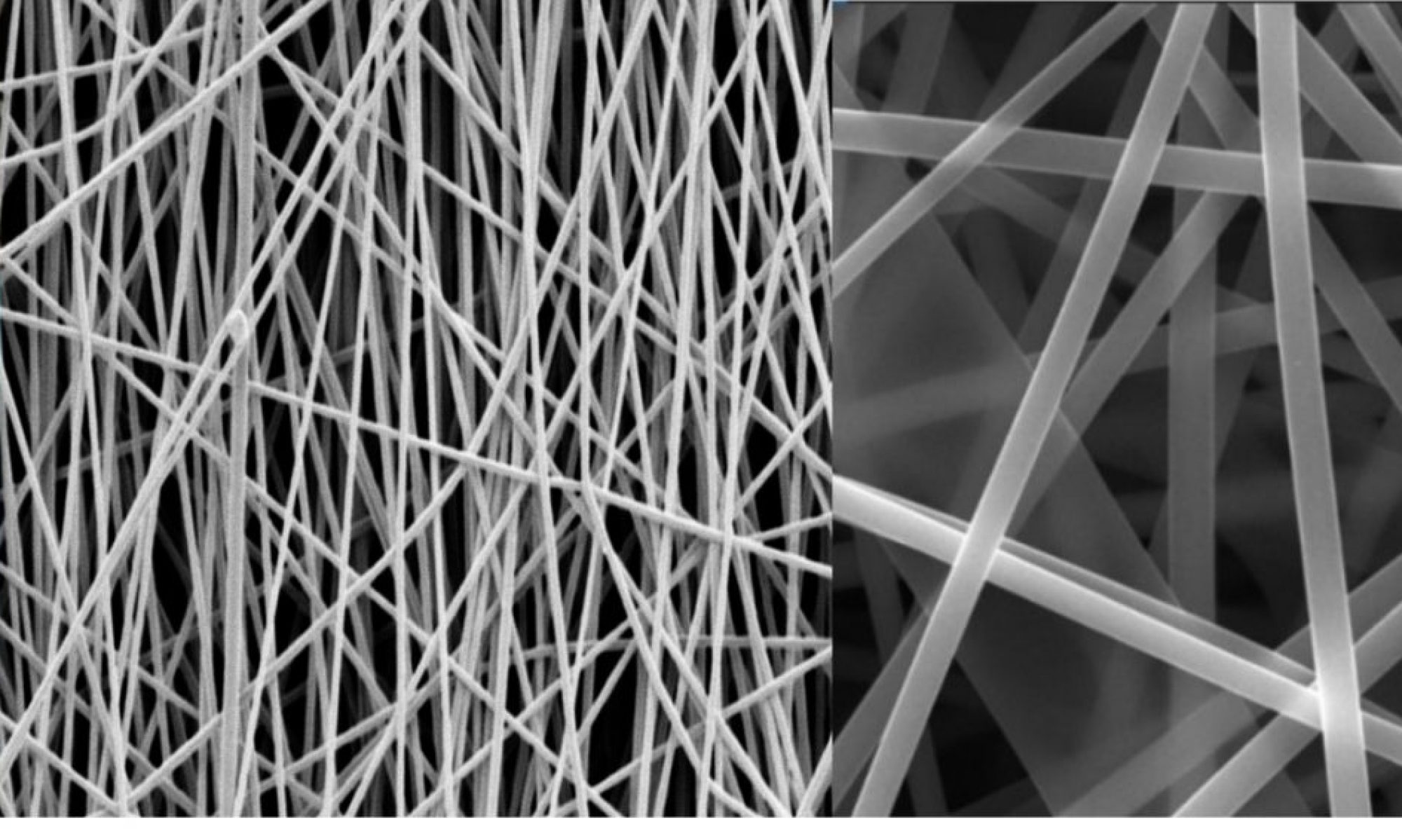

Advanced Energy Materials Group
Congratulations to Qian who has won a 2021 SEMS Postgraduate Research Excellence Award for her work on Hematite/Carbon dots photoanodes for water oxidation, published recently in Nanoscale. Well done Qian!
Welcome to Dr Michael Thielke who has joined the team as a postdoctoral researcher to develop sustainable fibres as electrodes for flow batteries using electrospinning as part of Ana’s UKRI FLF.
Welcome Michael! I hope you have a great time at QMUL and we look forward to doing lots of science together.
Abstract
Photoelectrochemical imaging has great potential in the label-free investigation of cellular processes. Herein, we report a new fast photoelectrochemical imaging system (PEIS) for DC photocurrent imaging of live cells, which combines high speed with excellent lateral resolution and high photocurrent stability, which are all crucial for studying dynamic cellular processes. An analog micromirror was adopted to raster the sensor substrate, enabling high-speed imaging. α-Fe2O3 (hematite) thin films synthesized via electrodeposition were used as a robust substrate with high photocurrent and good spatial resolution. The capabilities of this system were demonstrated by monitoring cell responses to permeabilization with Triton X-100. The ability to carry out dynamic functional imaging of multiple cells simultaneously provides improved confidence in the data than could be achieved with the slower electrochemical single-cell imaging techniques described previously. When monitoring pH changes, the PEIS can achieve frame rates of 8 frames per second.

 Ana has received a QMUL Faculty Research Excellence Award for her achievements in research in 2020, including her Future Leaders Fellowship to develop Sustainable Electrodes for Advanced Flow Batteries.
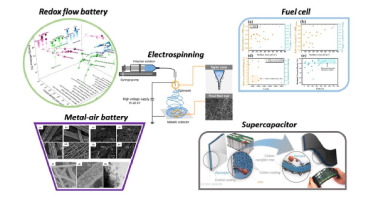
New article on Journal of Energy Chemistry, in collaboration with UCL and ICL:
A comprehensive review on the use of electrospinning to design carbon-based materials for their application in energy storage and conversion devices. Great work by Vivian (Yue Wen) and led by Rhodri Jervis.
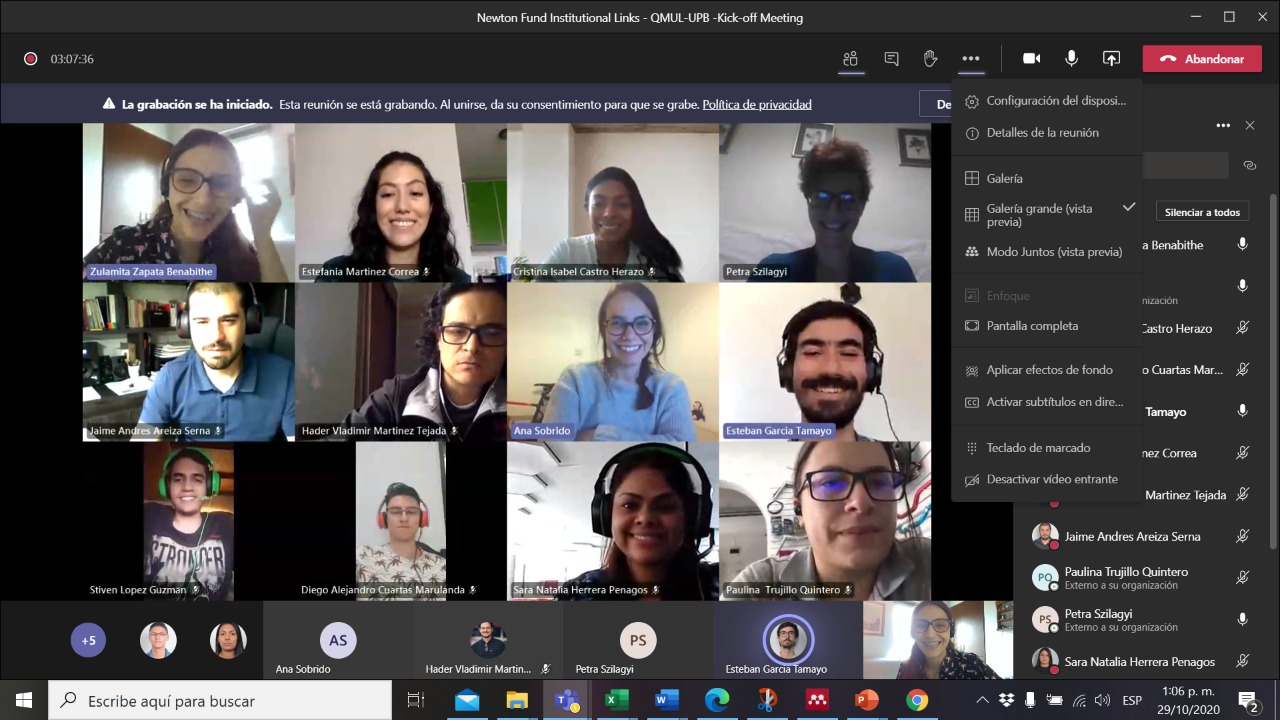
On Thursday 29th October, we held the kick-off meeting of our Newton Fund Institutional Links project with the Universidad Pontificia Bolivariana, from Colombia. The project will explore the use of bacterial nanocellulose grown from Colombian biomass waste to produce materials for energy storage technologies, including Li-ion batteries and supercapacitors, and will support three early career researchers. The meeting was a success and can’t wait to do lots of great since together.
On Thursday 15th October 2020, it was officially announced that Ana has been awarded a Future Leaders Fellowship! The FLF will start in February 2021 for a duration of 4 years in the first instance, with possibility of extension for further 3 years. Ana is very happy for this achievement and grateful to the UKRI and FLF scheme for this opportunity. Her research programme will focus on the design of sustainable electrodes for advanced flow batteries.
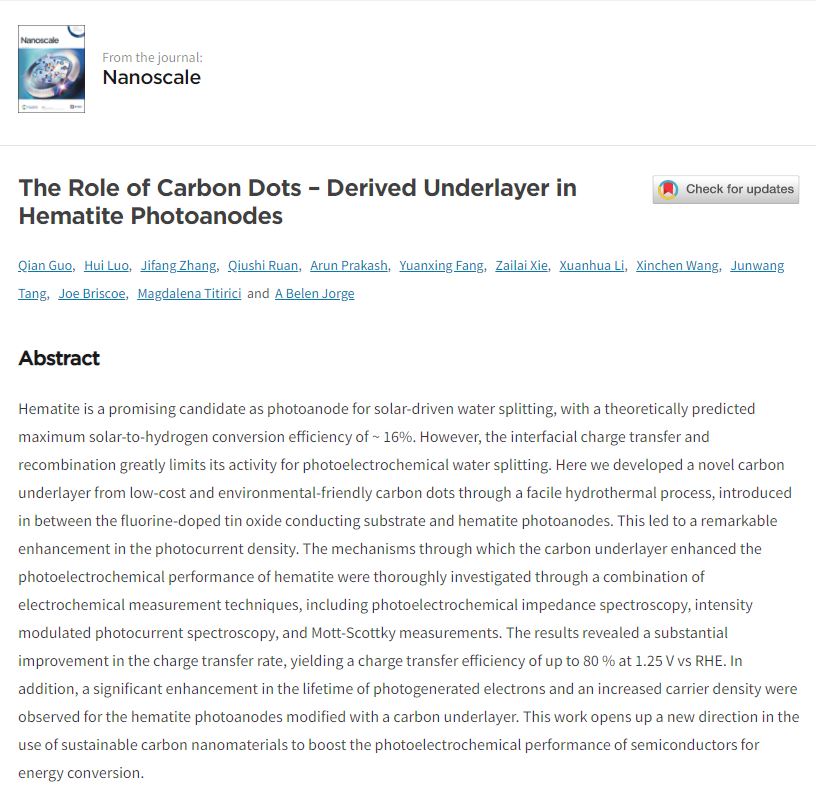
Congratulations to Qian and the rest of the team involved in this work. Great stuff Qian and very well done!
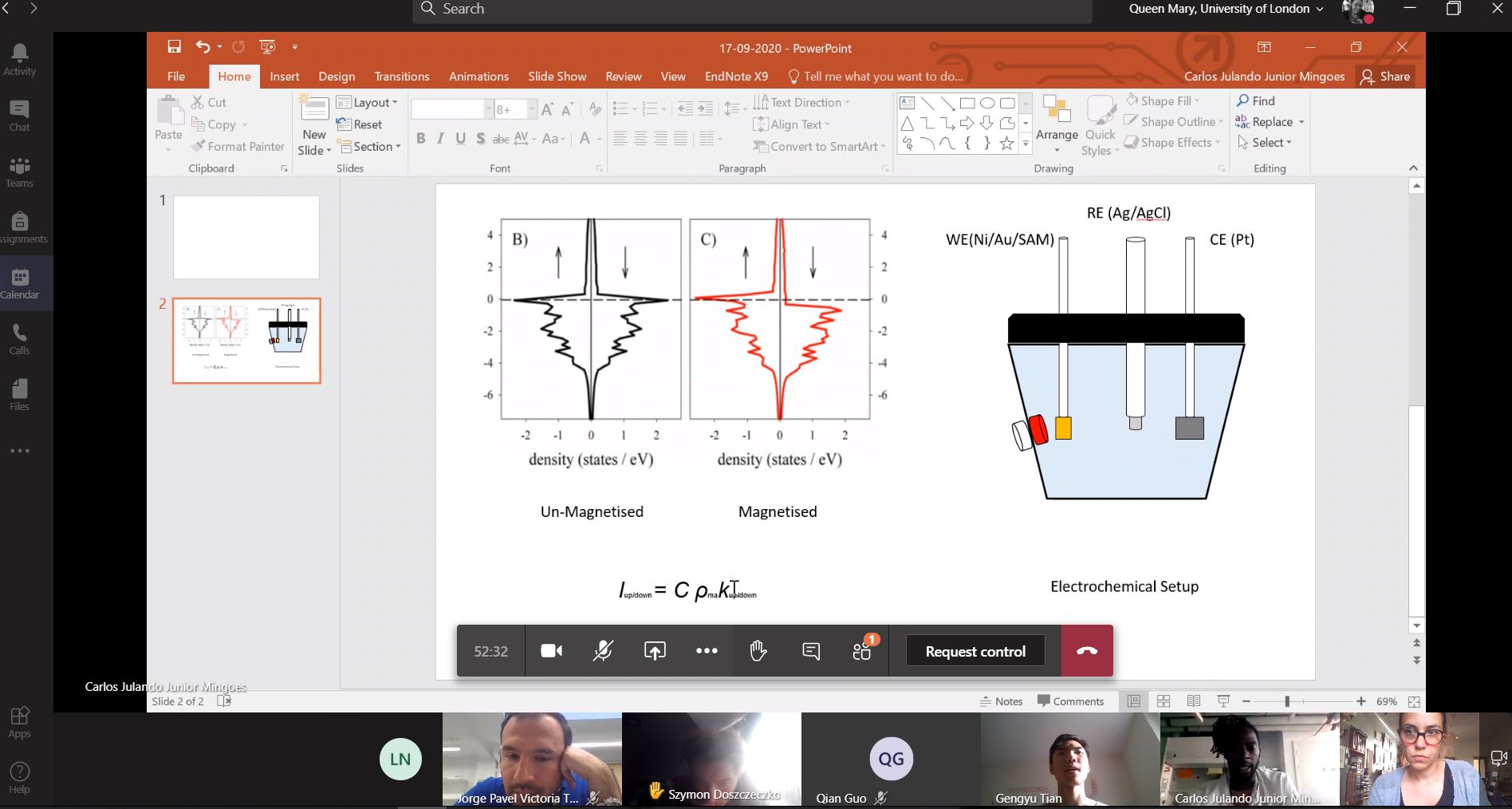 Another online Group Meeting held this Thursday 17th September 2020. Good to catch up with everyone’s projects.
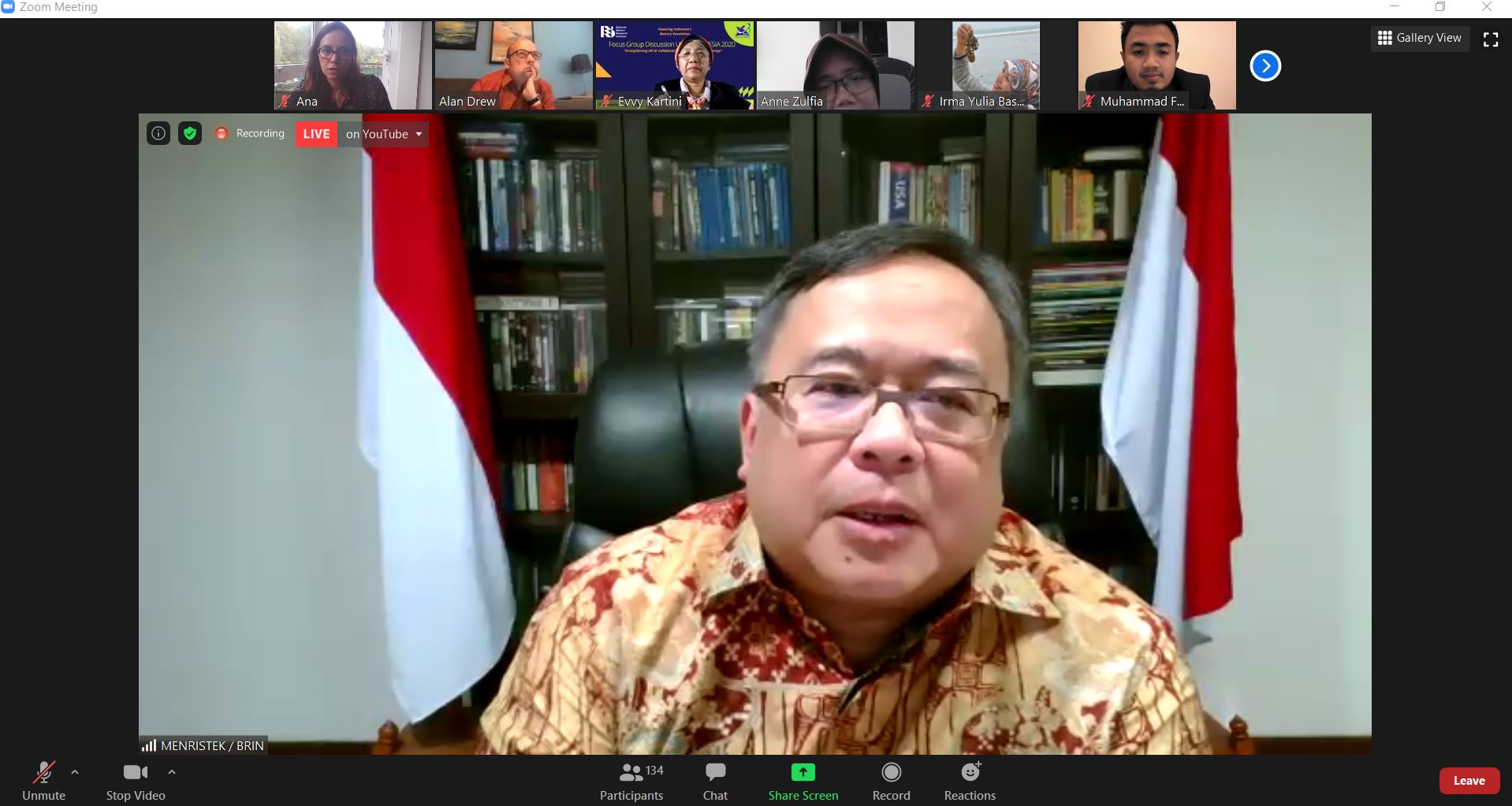 Fantastic online meeting today with colleagues at the National Battery Research Institute (NBRI) and the Minister of Research and Technology of Indonesia, who gave an insightful talk about Indonesian energy storage landscape and the UK-Indonesia joint activities. Glad to be part of the NBRI expert panel. Looking forward to many projects together.